
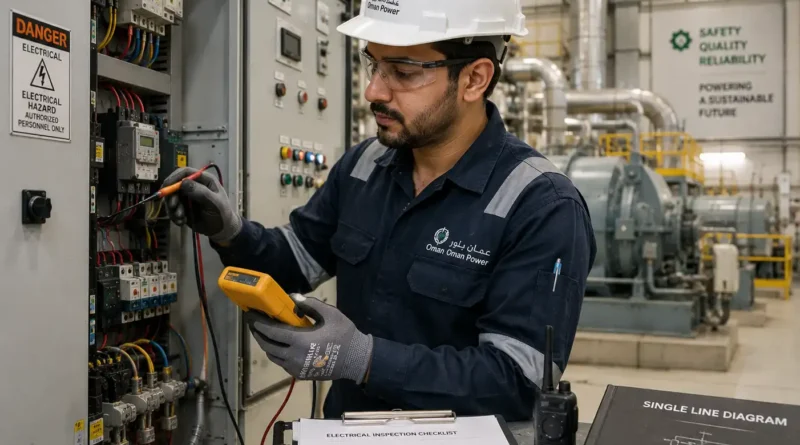
Electrical Technician Careers in Oman: Maintenance Skills for Power Plant Jobs
Electrical Technician Careers in Oman: Maintenance Skills for Power Plant Jobs
Electrical technician jobs are important in Oman’s energy, industrial, utility, and power generation sectors. Power plants, renewable energy projects, water facilities, factories, and large industrial sites depend on skilled technicians who can inspect, maintain, troubleshoot, and repair electrical equipment safely.
For job seekers with technical training and hands-on electrical experience, this career path can offer strong opportunities. The role is practical and requires discipline, safety awareness, teamwork, and the ability to solve problems quickly when equipment issues appear.
Companies in the energy sector, including major power and water project operators, often need electrical technicians who understand plant equipment, preventive maintenance, fault diagnosis, and safe work procedures.
About Electrical Technician Jobs in Power Plants
An electrical technician in a power plant or industrial facility is responsible for keeping electrical systems operating safely and efficiently. The work may include routine maintenance, equipment checks, fault finding, repairs, cable inspection, control panel support, motor maintenance, and testing activities.
This role is different from a normal building electrician job. In power plants and industrial facilities, equipment can be more complex and safety requirements are usually stricter. A technician may work with high-value systems that support electricity generation, water production, or industrial operations.
Because downtime can affect production, electrical technicians must work carefully and respond quickly when problems happen.
Why Electrical Technicians Are Needed in Oman
Oman has active energy, utility, and industrial projects. Facilities that generate power or support industrial operations need reliable electrical systems every day. If electrical equipment fails, the plant may face downtime, safety risks, or expensive repairs.
Electrical technicians help prevent these problems by carrying out planned maintenance and fixing issues before they become serious.
They support important work such as:
Power plant operation
Renewable energy facilities
Industrial electrical systems
Water and desalination plants
Manufacturing facilities
Oil and gas support facilities
Utility maintenance
Electrical equipment inspection
Control system support
This makes the role valuable for companies that depend on continuous and safe operation.
Main Responsibilities
The responsibilities of an electrical technician depend on the company, plant type, and equipment used. However, most roles include maintenance, troubleshooting, inspection, and safety compliance.
Common responsibilities include:
Performing preventive electrical maintenance.
Inspecting electrical panels, motors, cables, and plant equipment.
Troubleshooting electrical faults.
Repairing or replacing damaged electrical components.
Testing equipment after maintenance work.
Supporting calibration and adjustment of electrical systems.
Following maintenance schedules and work orders.
Recording maintenance activities and findings.
Reporting unsafe conditions or equipment problems.
Working with engineers, supervisors, and other technicians.
Following health, safety, and environmental procedures.
Supporting plant reliability and reducing downtime.
A good electrical technician should be accurate and patient because electrical work requires attention to detail.
Preventive Maintenance
Preventive maintenance is one of the most important parts of this job. Instead of waiting for equipment to fail, technicians inspect and maintain systems regularly to reduce breakdowns.
Preventive maintenance may include:
Checking cable connections.
Inspecting control panels.
Cleaning electrical components.
Testing motors.
Checking relays and protection devices.
Inspecting breakers and switches.
Measuring electrical values.
Looking for overheating signs.
Checking insulation conditions.
Verifying equipment condition against maintenance standards.
This type of work helps extend equipment life and keeps the facility operating smoothly.
Troubleshooting and Fault Diagnosis
When an electrical fault happens, the technician must identify the problem and support quick repair. This requires technical knowledge and calm thinking.
Faults may happen because of damaged cables, loose connections, motor issues, control circuit problems, overloads, faulty relays, sensor problems, or power supply issues.
A technician may need to use tools such as:
Multimeters
Insulation testers
Clamp meters
Test lamps
Calibration tools
Diagnostic equipment
Electrical drawings
Maintenance manuals
Good troubleshooting means finding the root cause, not only fixing the visible problem. If the cause is not corrected, the fault may happen again.
Electrical Equipment Knowledge
Electrical technicians in power plants and industrial facilities may work with many types of equipment. Knowing how these systems operate is important for safe and effective maintenance.
Common equipment may include:
Electric motors
Transformers
Switchgear
Circuit breakers
Control panels
Relays
Power cables
Distribution boards
Battery systems
UPS systems
Sensors and transmitters
Electrical protection devices
Lighting systems
Grounding systems
Plant auxiliary electrical systems
The exact equipment depends on the facility. A technician should keep learning and ask for guidance when dealing with unfamiliar systems.
Safety and HSE Awareness
Safety is a major part of electrical work. Electricity can be dangerous if procedures are not followed. In power plants and industrial sites, safety rules must be taken seriously.
Important safety practices include:
Following lockout and tagout procedures.
Using proper personal protective equipment.
Checking isolation before starting work.
Following permit-to-work systems.
Reporting unsafe conditions.
Keeping tools in good condition.
Avoiding shortcuts.
Following supervisor instructions.
Understanding emergency procedures.
Maintaining clean and safe work areas.
A professional technician should never rush electrical work in a way that creates danger. Safe work protects the technician, the team, and the facility.
Calibration and Equipment Adjustment
Some electrical systems require calibration or adjustment to operate correctly. This may include checking sensors, control devices, protection settings, or measuring equipment.
Calibration helps confirm that instruments and systems provide accurate readings. Incorrect readings can lead to wrong decisions or poor equipment performance.
A technician may support calibration by:
Checking instrument readings.
Comparing results with approved standards.
Adjusting devices when authorized.
Recording calibration results.
Reporting abnormal readings.
Supporting engineers during testing.
This work requires accuracy and careful documentation.
Working with Engineers and Supervisors
Electrical technicians often work as part of a team. They may receive instructions from electrical supervisors, maintenance engineers, shift supervisors, or plant managers.
Good teamwork helps maintenance work finish safely and on time. A technician should communicate clearly when reporting problems, requesting spare parts, or explaining what was done.
Useful communication habits include:
Writing clear maintenance notes.
Reporting faults honestly.
Asking questions when instructions are unclear.
Informing supervisors about safety risks.
Coordinating with mechanical and operations teams.
Sharing important observations with the team.
In industrial work, good communication can prevent mistakes and delays.
Skills Needed for the Role
Electrical technician jobs require both technical and personal skills. The work can be physically active and may involve shifts, plant areas, and urgent maintenance situations.
Important skills include:
Electrical maintenance
Fault diagnosis
Reading electrical drawings
Using testing tools
Understanding control panels
Basic motor and transformer knowledge
Safety awareness
Preventive maintenance
Report writing
Teamwork
Time management
Problem-solving
Attention to detail
Ability to work under pressure
Willingness to learn
A technician who is reliable, careful, and safety-focused can become valuable to the maintenance team.
Qualifications and Experience
Requirements differ depending on the employer. However, many electrical technician roles require technical education and practical experience.
Common requirements may include:
Technical certificate or diploma in electrical maintenance, electrical technology, or a related field.
Hands-on experience in electrical maintenance.
Experience in a plant, industrial, utility, or power generation environment.
Knowledge of electrical tools and testing equipment.
Understanding of safety procedures.
Ability to read basic electrical drawings.
Good communication skills.
Ability to work with a maintenance team.
For some roles, employers may prefer candidates with three or more years of experience in industrial electrical maintenance. Experience in power plants, energy projects, or utilities can be a strong advantage.
How to Prepare Your CV
If you want to apply for electrical technician jobs in Oman, your CV should clearly show your technical experience. Avoid writing only general statements like “electrical work.” Employers need to know what systems you maintained and what tasks you handled.
Include details such as:
Electrical maintenance experience.
Types of equipment you worked with.
Power plant or industrial experience if available.
Preventive maintenance tasks.
Troubleshooting experience.
Testing tools you can use.
Safety training.
Control panel or motor experience.
Calibration or inspection experience.
Maintenance reports or work order experience.
Shift work or plant operation support if available.
If you worked with motors, switchgear, cables, panels, transformers, or protection systems, mention them clearly.
Interview Preparation
Electrical technician interviews often include practical and safety-related questions. Employers want to know if you can work safely and solve real maintenance problems.
Common interview questions may include:
What electrical equipment have you maintained before?
How do you troubleshoot a motor that is not starting?
What safety steps do you follow before working on electrical equipment?
Have you used a multimeter or insulation tester?
How do you read electrical drawings?
What is preventive maintenance?
How do you report a fault to your supervisor?
Can you work shifts or emergency maintenance calls?
How do you handle pressure during equipment breakdowns?
Try to answer with real examples from your experience. Practical answers are better than memorized definitions.
Working in Power and Energy Facilities
Working in a power plant or energy facility can be different from working in small commercial buildings. The environment may include strict procedures, shift schedules, safety permits, and coordination with operations teams.
Technicians should be ready to follow plant rules carefully. They may need to attend toolbox talks, safety briefings, and maintenance planning meetings.
This work can be challenging, but it can also provide valuable experience and career growth.
Career Growth
Electrical technician careers can lead to better positions over time. With experience, a technician may move into senior technician, supervisor, maintenance planning, electrical foreman, or plant maintenance roles.
Possible career paths include:
Junior Electrical Technician
Electrical Technician
Senior Electrical Technician
Electrical Foreman
Electrical Supervisor
Maintenance Technician Lead
Plant Maintenance Coordinator
Electrical Maintenance Planner
Electrical Maintenance Engineer support roles
Career growth depends on technical skill, safety performance, reliability, teamwork, and continuous learning.
Important Advice for Job Seekers
Be careful when applying for jobs online. Some fake recruiters may use real company names or attractive job titles to collect money or documents. Always verify the employer and job source before sending personal information.
Before accepting any offer, check:
Company name
Official website if available
Job title
Work location
Salary and benefits
Working hours or shift system
Accommodation and transportation if offered
Contract terms
Visa process if applicable
Official email address
Recruitment process
Do not pay money to unknown people for a guaranteed job. A professional employer should provide clear communication and proper hiring steps.
Final Advice
Electrical Technician careers in Oman can be a good opportunity for job seekers with technical training, practical maintenance experience, and strong safety awareness. The role is important in power plants, industrial sites, utilities, and energy projects because electrical systems must remain reliable and safe.
For applicants, preparation is important. Build a clear CV, highlight real maintenance experience, mention the equipment you have worked with, and apply through trusted job sources.
Afwaj Jobs aims to help job seekers understand opportunities in the Gulf job market and prepare stronger applications for suitable careers.