
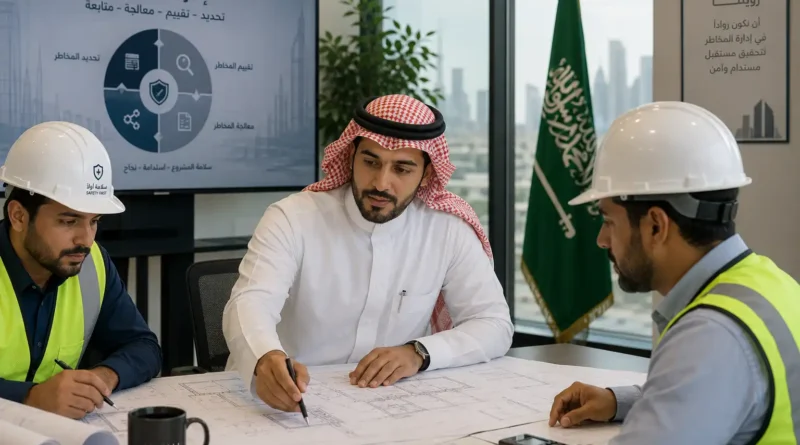
Risk Manager Careers in Saudi Arabia: Skills Needed for Construction and Infrastructure Projects
Risk Manager Careers in Saudi Arabia: Skills Needed for Construction and Infrastructure Projects
Risk management has become an important career field in Saudi Arabia, especially with the growth of large construction, infrastructure, real estate, industrial, and development projects. Every major project has uncertainties. Costs may change, materials may be delayed, safety issues may appear, and schedules may be affected by unexpected events. This is why companies need experienced Risk Managers who can identify problems before they become serious.
A Risk Manager helps project teams understand possible risks, measure their impact, and prepare practical plans to reduce damage. In Saudi Arabia, this role can be valuable in construction companies, project management firms, engineering consultancies, real estate developers, industrial contractors, and consulting companies that support large-scale projects.
About Risk Management in Construction Projects
Risk management is not only about writing reports. It is a practical process that helps a project stay controlled from the beginning until completion. In construction and infrastructure projects, risks can come from many directions. A delay in materials, a design change, a permit issue, a contractor problem, or a safety incident can affect the full project timeline.
The Risk Manager’s job is to make these risks visible. Instead of waiting for problems to happen, the Risk Manager works with project teams to predict possible challenges, create response plans, and follow up on risk actions.
This role requires a mix of analytical thinking, project understanding, communication, and decision-making. A good Risk Manager should understand both numbers and people. The role involves data, reports, meetings, and practical coordination with different departments.
Why Risk Managers Are Needed in Saudi Arabia
Saudi Arabia has many active projects in construction, transportation, housing, energy, tourism, utilities, and infrastructure. These projects often involve many contractors, suppliers, consultants, and government requirements. With this level of complexity, risk management becomes very important.
A project without proper risk control may face delays, cost increases, quality issues, or contract disputes. A Risk Manager helps reduce these problems by making sure the project team has a clear view of possible threats and opportunities.
Risk management is especially important in:
Large construction projects
Infrastructure and road projects
Real estate developments
Industrial and energy projects
Public-private partnership projects
Engineering and project management consultancies
Facility development and expansion projects
Consulting firms such as Arthur Lawrence and similar organizations may support clients with project management, business transformation, technology, and risk-related services. However, job seekers should always apply through official company channels and verify any job advertisement before sending personal documents.
Main Responsibilities
The daily work of a Risk Manager depends on the project and company. In general, the role focuses on identifying, analyzing, monitoring, and reducing risks.
Common responsibilities may include:
Preparing and maintaining the project risk register.
Identifying risks related to cost, time, quality, safety, contracts, and resources.
Working with project managers, engineers, planners, and commercial teams.
Leading risk workshops and meetings.
Assessing the probability and impact of each risk.
Suggesting mitigation plans and follow-up actions.
Monitoring risk status during project execution.
Reporting major risks to management.
Supporting decision-making with clear risk information.
Reviewing changes that may affect the project timeline or budget.
Helping teams understand how risks may affect project delivery.
A Risk Manager should not work alone. The role requires cooperation with different project stakeholders because each department may see risks from a different angle.
Types of Risks in Construction Projects
Construction projects have many types of risks. Understanding these categories helps the Risk Manager organize the work and prepare better plans.
Common risk types include:
Schedule risks
These risks affect the project timeline. They may happen because of late materials, delayed approvals, poor planning, design changes, weather conditions, or contractor performance issues.
Cost risks
Cost risks may appear when prices increase, quantities change, claims arise, or unexpected work becomes necessary. A Risk Manager should help the team understand how financial risks may affect the project budget.
Safety risks
Construction sites can include heavy equipment, working at height, electrical work, lifting operations, and other hazards. Safety risks must be managed carefully to protect workers and avoid serious incidents.
Quality risks
Poor workmanship, wrong materials, unclear specifications, or weak supervision can create quality problems. These issues may require rework and cause extra cost.
Contract risks
Construction projects often include contracts with many conditions. Delays, claims, penalties, scope changes, or unclear responsibilities can create contractual risks.
Supply chain risks
Materials and equipment may be delayed because of supplier issues, shipping problems, customs delays, or market conditions. These risks can affect the project schedule.
Environmental and regulatory risks
Some projects require permits, environmental approvals, inspections, or compliance with local regulations. Missing these requirements can create serious delays.
Skills Needed for the Role
A Risk Manager needs a combination of technical, analytical, and communication skills. The role is not only about using software or preparing documents. It also requires understanding how projects work in real life.
Important skills include:
Risk assessment
The ability to identify risks, measure their probability, and understand their possible impact.
Project management knowledge
A Risk Manager should understand project schedules, budgets, scope, contracts, and stakeholder responsibilities.
Analytical thinking
The role requires reviewing information, finding patterns, and making practical conclusions.
Communication
Risk Managers must explain complex issues clearly to project teams and management.
Decision support
The Risk Manager does not always make the final decision, but they provide information that helps leaders choose the right action.
Attention to detail
Small details in contracts, schedules, or reports can affect the project.
Leadership
Risk workshops and meetings require confidence, structure, and the ability to guide discussions.
Software knowledge
Depending on the company, tools may include Excel, project management systems, risk management platforms, Power BI, Primavera P6, or other reporting tools.
Qualifications and Experience
Most Risk Manager roles require a strong background in project management, construction, engineering, business, finance, or a related field. Some employers prefer candidates with experience in construction or infrastructure because these industries have specific risk patterns.
Typical requirements may include:
Bachelor’s degree in Engineering, Construction Management, Business, Finance, or a related field.
Several years of experience in risk management, project controls, project management, or construction management.
Good understanding of construction project lifecycles.
Ability to prepare risk reports and present findings.
Experience working with contractors, consultants, or project owners.
Strong communication skills in English.
Arabic language skills may be an advantage in some workplaces.
For senior roles, companies may prefer candidates with professional certifications such as PMP, PMI-RMP, or other recognized project management and risk-related qualifications.
Why Construction Experience Matters
Risk management in construction is different from risk management in a normal office environment. Construction risks are often connected to real site conditions, equipment, labor, materials, permits, contractors, safety, weather, design changes, and project deadlines.
A Risk Manager with construction experience can understand these issues faster. They know how one delay can affect another activity. They can also communicate better with engineers, planners, site teams, and project managers.
This does not mean that candidates from other industries have no chance. However, applicants targeting construction risk roles should show any experience they have with projects, planning, cost control, contracts, site coordination, or infrastructure work.
Risk Register and Risk Management Plan
Two common tools in this field are the risk register and the risk management plan.
The risk register is a document that lists the project risks. It usually includes the risk description, category, probability, impact, owner, mitigation action, status, and due date.
The risk management plan explains how risks will be managed throughout the project. It may describe responsibilities, reporting methods, risk scoring, meeting frequency, and escalation procedures.
A good Risk Manager keeps these tools updated. A risk register should not be created once and forgotten. It must be reviewed regularly because project conditions change.
How to Prepare Your CV
If you want to apply for Risk Manager roles in Saudi Arabia, your CV should be specific and project-focused. Avoid writing only general phrases like “risk management experience.” Employers need to see the type of projects you worked on and the responsibilities you handled.
Include details such as:
Types of projects you supported.
Risk registers you prepared or managed.
Risk workshops you attended or led.
Experience with construction or infrastructure projects.
Project value or scale if appropriate.
Software and reporting tools you used.
Certifications such as PMP or PMI-RMP.
Coordination with project managers, planners, engineers, or commercial teams.
Examples of risk mitigation work.
Keep the CV clear and easy to read. Use simple language and focus on experience that matches the job.
Interview Preparation
Risk Manager interviews often include practical questions. Employers want to know how you think, how you handle project pressure, and how you communicate risk to decision-makers.
Common interview topics may include:
How do you identify risks in a new project?
What is the difference between a risk and an issue?
How do you prioritize risks?
How do you manage risks that affect project cost?
How do you handle a risk owner who does not take action?
What tools do you use for risk reporting?
How do you run a risk workshop?
How do you explain high risks to senior management?
Try to answer with examples from real experience. A practical answer is stronger than a textbook definition.
Career Growth
Risk management can lead to strong career growth. With experience, a Risk Manager may move into senior risk roles, project controls management, project management, program management, commercial management, or consulting roles.
Possible career paths include:
Senior Risk Manager
Project Controls Manager
Risk and Compliance Manager
Project Manager
Program Risk Lead
PMO Specialist
Construction Management Consultant
Career growth depends on experience, communication, leadership, and the ability to support real project decisions.
Important Advice for Job Seekers
Be careful when applying for job offers online. Some fake recruiters may use real company names to make offers look trustworthy. Always verify the source before sending documents.
Before accepting any offer, check:
Company name
Official website
Job title
Work location
Salary and benefits
Contract terms
Reporting manager or department
Official email address
Recruitment process
Never pay money to unknown people for a guaranteed job. A professional employer should provide clear information and official communication.
Final Advice
Risk Manager careers in Saudi Arabia can be a strong option for professionals who understand construction, infrastructure, project controls, and practical problem-solving. The role requires more than preparing reports. It requires clear thinking, teamwork, and the ability to help project leaders make better decisions.
If you are interested in risk management roles in consulting firms, construction companies, or infrastructure projects, prepare a focused CV, highlight real project experience, and apply through trusted sources.
Afwaj Jobs aims to help job seekers understand opportunities in the Gulf job market and prepare stronger applications for suitable careers.