
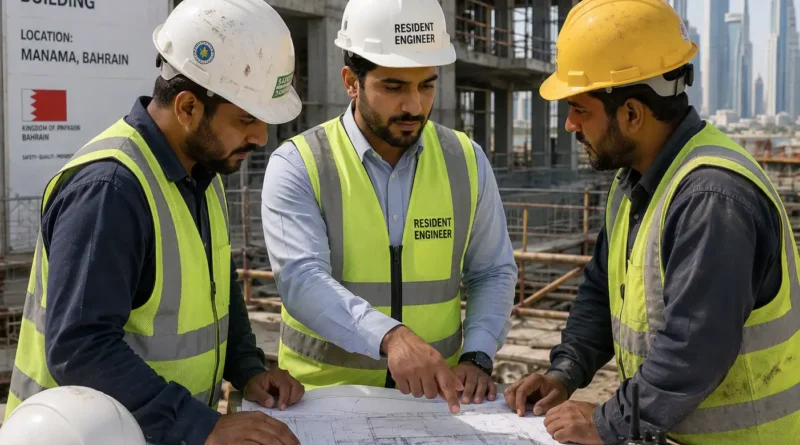
Resident Engineer Careers in Bahrain: Skills Needed for Building and Mixed-Use Projects
Resident Engineer Careers in Bahrain: Skills Needed for Building and Mixed-Use Projects
Resident Engineer careers are important in Bahrain’s construction and engineering sector. Large building projects, mixed-use developments, residential towers, commercial spaces, and infrastructure works require experienced engineers who can supervise site activities, coordinate with contractors, and make sure the project is completed according to approved drawings, specifications, quality standards, and safety requirements.
A Resident Engineer is usually one of the key people on a construction site. The role connects the client, consultant, contractor, project team, and technical specialists. This makes the position suitable for experienced civil or structural engineers who can manage technical issues, site progress, inspections, and stakeholder communication.
For job seekers with strong construction supervision experience, Bahrain can offer opportunities in consultancy, project management, real estate development, and building construction.
About Resident Engineer Jobs in Bahrain
A Resident Engineer is responsible for supervising construction work on behalf of the consultant, client, or project management team. The engineer monitors daily site activities and helps ensure that the contractor follows the approved design and project requirements.
This role is different from a normal site engineer position because the Resident Engineer often carries higher responsibility. They may review contractor performance, respond to technical questions, attend progress meetings, check quality issues, and support decision-making during construction.
In Bahrain, Resident Engineers may work on different types of projects, including multi-storey residential buildings, mixed-use developments, villas, commercial buildings, infrastructure works, public facilities, and private developments.
Why Resident Engineers Are Needed
Construction projects involve many moving parts. Contractors, subcontractors, consultants, suppliers, inspectors, and clients must work together. Without strong site supervision, mistakes can happen, delays can increase, and quality may suffer.
A Resident Engineer helps answer important site questions such as:
Is the contractor following the approved drawings?
Are construction activities moving according to schedule?
Are materials approved before use?
Are inspections being completed properly?
Are safety rules being followed?
Are quality problems being recorded and corrected?
Are design changes being handled correctly?
Is the client receiving accurate progress updates?
This makes the Resident Engineer a central part of project control.
Main Responsibilities
The responsibilities of a Resident Engineer depend on the project size, contract type, and employer. However, most roles include supervision, coordination, quality control, progress monitoring, and technical support.
Common responsibilities include:
Supervising daily construction activities on site.
Checking that work follows approved drawings and specifications.
Coordinating with contractors, consultants, and client representatives.
Reviewing inspection requests and site reports.
Monitoring project progress and identifying delays.
Supporting quality control and safety compliance.
Reviewing contractor submissions when required.
Managing site technical queries with the design team.
Attending site meetings and progress meetings.
Reporting major issues to project management.
Following up on corrective actions and non-conformance issues.
Supporting the approval process for completed works.
Helping resolve disputes or coordination problems on site.
A Resident Engineer should be organized and confident because the role involves daily decision-making and communication with different parties.
Construction Supervision
Construction supervision is one of the most important parts of the job. The Resident Engineer must make sure that site work is carried out correctly and safely.
This may include checking activities such as:
Excavation and foundation works
Reinforcement and concrete works
Structural frame construction
Blockwork and masonry
Waterproofing works
Finishing works
MEP coordination
External works
Site logistics and access
Handover preparation
The Resident Engineer does not work alone. They may be supported by site inspectors, discipline engineers, QA/QC teams, safety teams, and design specialists. However, they must understand the overall project status and guide the site team properly.
Design and Structural Coordination
Resident Engineers often deal with design-related questions during construction. Sometimes the contractor may find a conflict between drawings. In other cases, site conditions may require clarification from the consultant or design team.
A Resident Engineer should be able to read drawings, understand structural details, and communicate technical issues clearly.
Important design coordination tasks may include:
Reviewing construction drawings.
Checking drawing revisions.
Coordinating between structural, architectural, and MEP drawings.
Responding to requests for information.
Supporting design clarification.
Making sure site changes are properly approved.
Preventing unauthorized changes.
Keeping records of important technical decisions.
Strong technical understanding helps the Resident Engineer protect design quality and reduce rework.
Quality Control on Site
Quality is a major responsibility in construction supervision. The Resident Engineer helps make sure the completed work meets the project standards.
Quality-related duties may include:
Reviewing inspection requests.
Checking work before approval.
Coordinating with QA/QC teams.
Following up on non-conformance reports.
Reviewing material approval status.
Making sure approved method statements are followed.
Checking test reports when required.
Recording site observations.
Ensuring that defects are corrected before handover.
Poor quality can lead to delays, extra cost, and client dissatisfaction. A strong Resident Engineer helps identify problems early and supports corrective action.
Safety Awareness
Safety is important in every construction project. Although the HSE team may handle detailed safety procedures, the Resident Engineer should support a safe site culture.
The Resident Engineer may need to observe whether contractors are following safety rules and report unsafe conditions to the appropriate team.
Common safety concerns include:
Working at height
Lifting operations
Scaffolding safety
Excavation safety
Electrical safety
Site access and movement
Personal protective equipment
Hot work activities
Housekeeping
A good Resident Engineer should not ignore unsafe work because schedule pressure is high. Safety protects workers and the project.
Stakeholder Coordination
One of the biggest challenges in this role is communication. A Resident Engineer works with many stakeholders, and each one may have different priorities.
Stakeholders may include:
Client representatives
Main contractors
Subcontractors
Consultants
Design teams
Project managers
Quality inspectors
HSE officers
Authorities when required
Suppliers
Clear communication helps reduce confusion. The Resident Engineer should document important discussions and make sure instructions are properly recorded.
Progress Monitoring
A construction project must be completed within an agreed timeline. The Resident Engineer supports progress monitoring by checking site activities and comparing them with the schedule.
Progress monitoring may include:
Reviewing daily site progress.
Checking manpower and equipment availability.
Identifying activities that are delayed.
Discussing recovery plans with contractors.
Reporting progress to management.
Following up on critical activities.
Supporting coordination between trades.
If delays are identified early, the project team has a better chance to correct them before they affect the final completion date.
Skills Needed for the Role
A Resident Engineer needs strong technical, management, and communication skills. The role is demanding because it combines engineering judgment with site leadership.
Important skills include:
Civil and structural engineering knowledge
Construction supervision
Drawing review
Site coordination
Quality control awareness
Safety awareness
Problem-solving
Leadership
Communication with contractors and clients
Progress monitoring
Report writing
Decision-making under pressure
Knowledge of local regulations and authority requirements
Ability to manage conflicts professionally
The role is best suited for engineers who can stay calm, organized, and practical during site challenges.
Qualifications and Experience
Requirements vary depending on the project and employer. However, Resident Engineer roles usually require strong civil or structural engineering education and many years of construction experience.
Common requirements may include:
Bachelor’s degree in Civil Engineering, Structural Engineering, or a related field.
Extensive experience in building construction or mixed-use projects.
Strong understanding of site supervision and construction methods.
Experience with multi-storey buildings can be an advantage.
Ability to review drawings and technical documents.
Experience coordinating with contractors and consultants.
Knowledge of quality and safety procedures.
Good English communication skills.
Arabic language skills can be useful in Bahrain.
For senior roles, employers may prefer professional registration, chartered status, or local engineering registration where required.
Mixed-Use and Multi-Storey Building Experience
Mixed-use projects often include residential, commercial, retail, parking, and service areas in one development. These projects require careful coordination because many systems and disciplines must work together.
A Resident Engineer working on mixed-use or multi-storey buildings should understand:
Structural frame works
Architectural finishing
MEP coordination
Vertical transportation
Parking and circulation
Fire and life safety coordination
Facade works
Waterproofing and roof works
Authority requirements
Handover and snagging
Experience in this type of project can make a candidate stronger because these developments are often complex.
How to Prepare Your CV
If you want to apply for Resident Engineer roles in Bahrain, your CV should focus on construction supervision and project leadership. Avoid using only general engineering statements.
Include details such as:
Types of projects you supervised.
Project size or number of floors if appropriate.
Civil and structural works handled.
Consultant or contractor-side experience.
Site inspection and quality responsibilities.
Coordination with clients and contractors.
Progress monitoring experience.
Safety and quality involvement.
Technical query and design coordination experience.
Professional registration or certifications if available.
Your CV should show that you can manage a site professionally and communicate with multiple stakeholders.
Interview Preparation
Resident Engineer interviews often focus on experience, technical judgment, site leadership, and problem-solving.
Common interview questions may include:
What types of projects have you supervised?
How do you handle contractor delays?
How do you manage a quality issue on site?
How do you coordinate between design and construction teams?
How do you respond to a request for information?
How do you manage conflict between contractor and consultant?
How do you monitor site progress?
What inspections are important before concrete pouring?
How do you handle safety concerns on site?
Use real examples from your past work. Employers usually prefer practical answers that show how you handle real construction situations.
Career Growth
Resident Engineer roles can lead to strong career growth in construction consultancy and project management. With experience, an engineer may move into senior site supervision, project management, construction management, or consultancy leadership roles.
Possible career paths include:
Site Engineer
Senior Site Engineer
Resident Engineer
Senior Resident Engineer
Construction Manager
Project Manager
Project Director
Engineering Consultant
Construction Supervision Manager
Growth depends on experience, leadership, communication, technical knowledge, and successful project delivery.
Working in Bahrain
Bahrain can offer opportunities in building construction, consultancy, real estate, infrastructure, and mixed-use developments. Engineers working in Bahrain may deal with local contractors, consultants, authorities, and regional project standards.
Before accepting a job offer, applicants should review the contract carefully and understand:
Salary and benefits
Work location
Accommodation or allowance if offered
Transportation
Working hours
Contract duration
Visa process
Professional registration requirements
Health insurance
Clear information helps avoid misunderstandings after joining.
Important Advice for Job Seekers
Be careful when applying for jobs online. Some fake recruiters may use attractive titles or real company names to collect documents or money. Always verify the employer and job source before sending personal information.
Before accepting any offer, check:
Company name
Official website if available
Job title
Project location
Salary and benefits
Contract terms
Visa process
Official email address
Recruitment process
Professional registration requirements
Do not pay money to unknown people for a guaranteed job. A professional employer should provide clear communication and proper hiring steps.
Final Advice
Resident Engineer careers in Bahrain can be a strong opportunity for experienced civil and structural engineers who understand construction supervision, quality control, safety, and stakeholder coordination. The role requires technical knowledge, leadership, and the ability to manage site challenges professionally.
For applicants, preparation is important. Build a clear CV, highlight real project supervision experience, mention multi-storey or mixed-use projects if available, and apply through trusted job sources.
Afwaj Jobs aims to help job seekers understand opportunities in the Gulf job market and prepare stronger applications for suitable careers.