
Mobile Merchandiser Careers in Oman: Retail Display Skills for FMCG Jobs
Mobile Merchandiser Careers in Oman: Retail Display Skills for FMCG Jobs
Mobile merchandiser jobs are important in Oman’s retail and FMCG sector. FMCG means fast-moving consumer goods, which include products such as packaged food, frozen items, beverages, dairy products, snacks, household goods, and other items that customers buy regularly.
In cities such as Muscat, supermarkets, hypermarkets, convenience stores, and retail outlets need products to be displayed clearly, stocked properly, priced correctly, and arranged in a way that attracts customers. This is where a Mobile Merchandiser plays an important role.
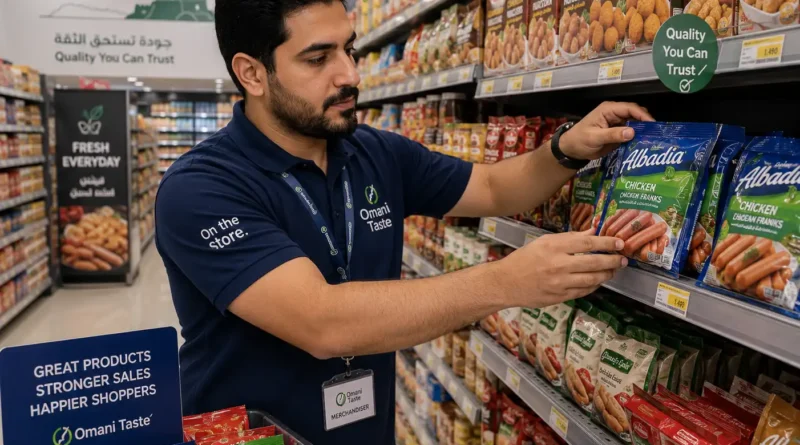
A Mobile Merchandiser usually visits different store locations, checks product displays, arranges shelves, monitors stock, reports shortages, and supports sales visibility. The role is practical, active, and suitable for people who enjoy working in the retail environment.
About Mobile Merchandiser Jobs in Oman
A Mobile Merchandiser is responsible for making sure company products are visible and available in retail stores. Unlike a regular store employee who may stay in one branch, a mobile merchandiser may move between different locations during the day or week.
The job is important because product display affects customer decisions. If products are hidden, out of stock, wrongly priced, or poorly arranged, customers may choose another brand. A good merchandiser helps improve product visibility and supports better sales performance.
In Oman, mobile merchandiser roles may be available with food companies, beverage distributors, FMCG brands, retail suppliers, and companies that work with supermarkets and hypermarkets.
Why Merchandisers Are Needed in FMCG
FMCG products move quickly. Customers buy them daily or weekly, and stores need regular restocking and organization. A product may sell fast in one branch and slowly in another. A merchandiser helps the company understand what is happening inside the store.
Merchandisers support important retail goals such as:
Keeping shelves full.
Making products easy to find.
Maintaining clean and attractive displays.
Checking product expiry dates.
Rotating stock correctly.
Reporting out-of-stock items.
Supporting promotions.
Building good relationships with store teams.
This work may look simple, but it directly affects customer experience and sales.
Main Responsibilities
The responsibilities of a Mobile Merchandiser can vary depending on the company and product category. However, most roles include store visits, shelf organization, stock checking, and reporting.
Common responsibilities include:
Visiting assigned retail stores regularly.
Arranging products on shelves according to company display standards.
Checking stock availability and reporting low-stock items.
Making sure products are clean, visible, and easy to access.
Rotating products based on expiry dates or freshness requirements.
Checking price labels and promotional displays.
Removing damaged, expired, or unsuitable products according to company policy.
Supporting in-store promotions and special displays.
Communicating with store staff and supervisors.
Taking photos or reports of shelf displays when required.
Reporting competitor activity and market observations.
Following daily visit plans and company instructions.
A good merchandiser should be active, organized, and detail-oriented.
Shelf Management
Shelf management is one of the most important parts of merchandising. Products should be arranged neatly and in the correct location. A clean and organized shelf makes it easier for customers to notice the product.
Good shelf management includes:
Placing products in the correct category.
Keeping labels facing forward.
Avoiding empty spaces when stock is available.
Arranging items by size, flavor, type, or brand plan.
Keeping shelves clean and presentable.
Following planograms when provided.
Making promotional products more visible.
A planogram is a display guide that shows where products should be placed. Not every store uses the same layout, so the merchandiser must adapt while still following company standards.
Stock Rotation and Expiry Checks
Stock rotation is very important in FMCG, especially for food products. Older stock should usually be placed in front so it sells first, while newer stock goes behind it. This helps reduce expired products and waste.
A merchandiser may need to check:
Expiry dates
Product condition
Damaged packaging
Correct storage location
Shelf quantity
Backroom stock
Fast-moving items
Slow-moving items
For food and frozen products, freshness and proper handling are very important. A merchandiser should report any problem immediately to the supervisor or sales team.
Pricing and Promotions
Customers need clear prices before buying. If prices are missing or wrong, it can create confusion and complaints. A merchandiser may need to check whether price labels match the product and promotion.
Promotional displays may include:
Discount shelves
Special stands
End-of-aisle displays
Seasonal displays
New product promotions
Bundle offers
Correct pricing and promotion setup can help increase sales and improve customer trust.
Store Relationships
A Mobile Merchandiser works with store teams regularly. Building a good relationship with store staff can make daily work easier. Store employees may help with stock access, shelf space, display approval, or product location.
Good relationship-building includes:
Speaking politely with store staff.
Respecting store rules.
Coordinating with department supervisors.
Solving small issues professionally.
Reporting serious issues to the company supervisor.
Avoiding arguments with store teams.
A professional attitude helps the merchandiser represent the company well.
Reporting and Market Feedback
Reporting is an important part of the job. Companies need information from stores to understand product performance and market conditions.
Reports may include:
Stock availability
Out-of-stock items
Photos of product displays
Competitor products
Promotion status
Shelf space issues
Damaged or expired products
Customer or store feedback
Daily visit completion
Some companies use mobile apps or digital systems for reporting. Others may use WhatsApp, email, Excel, or printed forms. Accuracy is important because sales teams depend on this information.
Skills Needed for the Role
A Mobile Merchandiser needs practical retail skills and good personal discipline. The role can be physically active because it may involve walking, standing, arranging products, and moving between stores.
Important skills include:
Attention to detail
Time management
Retail awareness
Product organization
Communication skills
Ability to follow instructions
Basic reporting skills
Customer service attitude
Teamwork
Physical stamina
Problem-solving
Ability to work independently
Knowledge of FMCG products can be an advantage, especially for food, frozen, or perishable items.
Qualifications and Experience
Requirements differ from one company to another. Some merchandiser jobs may require previous retail or FMCG experience, while others may accept candidates who are ready to learn.
Common requirements may include:
High school diploma or similar qualification.
Experience in retail, supermarket, FMCG, or merchandising is an advantage.
Ability to visit multiple store locations.
Basic communication skills.
Ability to read product labels and prices.
Attention to cleanliness and display standards.
Ability to work under pressure.
Basic reporting or mobile app use.
For mobile roles, some employers may prefer candidates with a driving license, depending on the work arrangement and store locations.
Daily Routine of a Mobile Merchandiser
A typical day may start with checking the visit plan. The merchandiser then visits assigned stores, checks displays, arranges products, reports stock issues, and communicates with store teams.
A daily routine may include:
Checking assigned store list.
Visiting the first store.
Inspecting shelves and product availability.
Arranging products and cleaning display areas.
Checking expiry dates and stock rotation.
Taking photos if required.
Reporting low stock or missing items.
Moving to the next store.
Submitting daily reports at the end of the day.
The role requires discipline because the merchandiser may work without constant direct supervision.
How to Prepare Your CV
If you want to apply for Mobile Merchandiser jobs in Oman, your CV should show your retail, sales, or FMCG experience clearly.
Include details such as:
Retail or supermarket experience.
FMCG product experience.
Merchandising or shelf arrangement experience.
Stock rotation knowledge.
Price checking experience.
Promotion support experience.
Customer service skills.
Reporting or mobile app experience.
Driving license if available.
Languages you speak.
If you worked in supermarkets, grocery stores, hypermarkets, food distribution, retail sales, or warehouse support, mention it clearly.
Interview Preparation
Mobile Merchandiser interviews often focus on retail experience, discipline, communication, and understanding of shelf displays.
Common interview questions may include:
Do you have experience in supermarkets or retail stores?
How do you arrange products on shelves?
What do you do if a product is out of stock?
How do you check expiry dates?
Can you visit multiple stores in one day?
How do you deal with store staff?
Have you worked with FMCG products before?
Are you comfortable with physical work?
Can you prepare simple reports or photos?
Try to answer with practical examples. Employers want to know if you can work responsibly in real store conditions.
Career Growth
Merchandising can lead to better opportunities in retail, FMCG sales, distribution, and store operations. A hardworking merchandiser can grow into senior merchandising, sales support, supervisor, or key account support roles.
Possible career paths include:
Merchandiser
Mobile Merchandiser
Senior Merchandiser
Sales Merchandiser
Merchandising Supervisor
Sales Executive
Retail Supervisor
FMCG Sales Coordinator
Key Account Support
Career growth depends on discipline, product knowledge, communication, reporting accuracy, and sales awareness.
Working in Muscat and Oman
Muscat has many retail outlets, supermarkets, food stores, and shopping centers. This creates opportunities for people interested in retail and FMCG jobs.
Before accepting any job offer, applicants should check the full details carefully. Important points may include salary, transportation, working hours, store locations, weekly day off, visa process, and contract terms.
Clear information helps avoid misunderstanding after joining.
Important Advice for Job Seekers
Be careful when applying for jobs online. Some fake recruiters may use company names or attractive job titles to collect documents or money. Always verify the employer and job source before sending personal information.
Before accepting any offer, check:
Company name
Official website if available
Job title
Work location
Salary and benefits
Transportation arrangement
Working hours
Weekly day off
Contract terms
Visa process if applicable
Official email address
Recruitment process
Do not pay money to unknown people for a guaranteed job. A professional employer should provide clear communication and proper hiring steps.
Final Advice
Mobile Merchandiser careers in Oman can be a good opportunity for job seekers who enjoy retail work, product organization, and active daily tasks. The role is important because it helps brands keep their products visible, available, and attractive to customers.
For applicants, preparation is important. Build a clear CV, highlight retail or FMCG experience, mention merchandising skills, and apply through trusted job sources.
Afwaj Jobs aims to help job seekers understand opportunities in the Gulf job market and prepare stronger applications for suitable careers.