
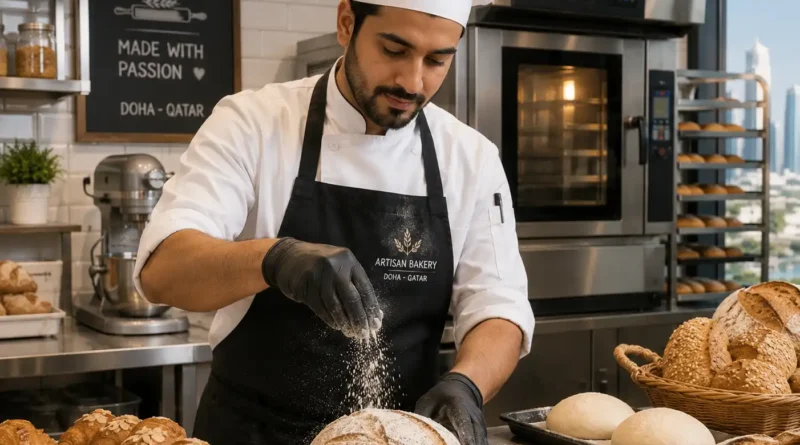
Baker Careers in Doha Qatar: Skills Needed for Bakery and Café Jobs
Baker Careers in Doha Qatar: Skills Needed for Bakery and Café Jobs
Baking is an important part of the food and hospitality industry in Qatar. In Doha, bakeries, cafés, hotels, restaurants, catering companies, and food production businesses often need skilled bakers who can prepare fresh bread, pastries, cookies, sandwiches, and other bakery products with consistent quality.
For job seekers who enjoy working with food, following recipes, and creating products that customers enjoy, a baker career in Qatar can be a practical and rewarding option. The role requires discipline, attention to detail, cleanliness, timing, and the ability to work in a busy kitchen environment.
Baker jobs can be suitable for people who already have experience in bakeries, cafés, restaurants, hotel kitchens, or pastry sections. Even candidates with basic experience can grow if they are serious about learning techniques and improving their skills.
About Baker Jobs in Doha
A baker is responsible for preparing baked goods according to recipes, kitchen standards, and customer demand. The job may include mixing dough, shaping bread, preparing pastries, baking products, checking freshness, organizing ingredients, and keeping the work area clean.
In Doha, the food industry serves both local customers and a large international community. This means bakeries and cafés may offer different types of products, from traditional breads to modern pastries, cakes, sandwiches, cookies, and specialty baked items.
The work can start early in the morning or follow shifts depending on the business. Some bakeries prepare products before opening hours, while cafés and hotels may need production throughout the day.
Why Bakers Are Needed in Qatar
Qatar has a growing hospitality and food service market. Doha includes many cafés, restaurants, hotels, shopping malls, catering businesses, and food outlets. Fresh baked products are always in demand because customers look for quality, taste, and consistency.
Bakers support businesses by making sure products are prepared on time and meet the expected standard. A skilled baker can help a café or bakery maintain customer satisfaction and reduce waste.
Bakers may be needed in:
Independent bakeries
Cafés
Hotels
Restaurants
Catering companies
Supermarkets
Food production kitchens
Pastry shops
Coffee shops
Cloud kitchens
Each workplace may have different requirements, but the basic baking skills remain important.
Main Responsibilities
The responsibilities of a baker depend on the type of business and the products offered. In a small bakery, the baker may handle many tasks. In a large hotel or production kitchen, the work may be divided between bread, pastry, cakes, and preparation teams.
Common responsibilities include:
Preparing bread, pastries, cookies, sandwiches, and bakery items.
Following approved recipes and portion standards.
Mixing, kneading, shaping, proofing, and baking dough.
Checking oven temperatures and baking times.
Maintaining consistent taste, size, and presentation.
Preparing ingredients before production.
Monitoring stock levels of flour, sugar, yeast, butter, fillings, and packaging items.
Keeping the bakery area clean and organized.
Following food safety and hygiene procedures.
Reporting shortages or equipment issues to the supervisor.
Reducing waste by planning production carefully.
Supporting daily kitchen operations during busy hours.
A good baker should be reliable because bakery production depends heavily on timing and preparation.
Baking Skills Needed
Baking is a skill-based job. The more a baker practices, the better the results become. A baker should understand ingredients, measurements, temperature, timing, and texture.
Important baking skills include:
Dough preparation
Bread shaping
Pastry preparation
Oven control
Recipe following
Ingredient measurement
Proofing and fermentation basics
Product decoration if required
Sandwich and filling preparation
Food presentation
Kitchen organization
Understanding freshness and storage
Some roles may focus more on bread, while others may focus on pastry, cakes, or café items. Applicants should mention their strongest areas clearly in their CV.
Working with Bread and Pastries
Bread and pastry work require different techniques. Bread often depends on dough strength, yeast activity, proofing time, and oven temperature. Pastries may require careful handling of butter, layers, fillings, and presentation.
A baker should understand that small changes can affect the final product. Too much flour, wrong temperature, or incorrect timing can change the taste and texture.
Common bakery items may include:
White bread
Brown bread
Buns
Croissants
Danish pastries
Cookies
Muffins
Sandwich bread
Pizza dough
Savory pastries
Sweet pastries
Cakes or basic desserts depending on the workplace
A baker who can handle different products may have better job opportunities.
Inventory and Ingredient Management
Bakers often help manage ingredients. This does not mean only using materials. It also means checking stock, avoiding waste, and making sure ingredients are stored correctly.
Important inventory tasks may include:
Checking daily ingredient levels.
Reporting low stock before it runs out.
Using older stock first when appropriate.
Keeping ingredients sealed and organized.
Checking expiry dates.
Storing flour, yeast, dairy, butter, and fillings correctly.
Avoiding unnecessary waste.
Supporting purchase requests when needed.
Good inventory habits help the business save money and maintain product quality.
Food Safety and Hygiene
Food safety is very important in bakery and café jobs. Customers expect clean, safe, and fresh products. A baker should follow hygiene rules every day.
Important hygiene practices include:
Washing hands regularly.
Keeping surfaces clean.
Using clean tools and trays.
Storing ingredients properly.
Avoiding cross-contamination.
Wearing clean uniform and hair covering when required.
Checking product freshness.
Cleaning equipment after use.
Following company food safety rules.
In professional kitchens, hygiene is not optional. It is part of the job and affects customer trust.
Skills Needed for the Role
A baker needs both practical and personal skills. The job can be physically active and may require standing for long hours, working early shifts, or preparing products under time pressure.
Important skills include:
Attention to detail
Time management
Cleanliness
Teamwork
Ability to follow recipes
Physical stamina
Creativity
Basic math for measurements
Ability to work under pressure
Willingness to learn
Good communication with kitchen staff
Respect for food safety rules
Creativity is useful, but consistency is more important. Customers usually expect the same quality every time they buy a product.
Qualifications and Experience
Requirements depend on the employer. Some baker jobs may require professional bakery training, while others may accept candidates with practical kitchen experience.
Common requirements may include:
Previous experience in a bakery, café, restaurant, or hotel kitchen.
Knowledge of bread, pastries, or baked goods.
Ability to use bakery equipment.
Understanding of hygiene and food safety.
Ability to follow recipes accurately.
Basic communication skills.
Ability to work shifts.
Teamwork and discipline.
Some employers may prefer candidates with one or more years of bakery experience. Others may train candidates who show strong motivation and basic kitchen knowledge.
Bakery Equipment Knowledge
Bakers may use different tools and machines depending on the workplace. Knowing how to use equipment safely can make an applicant stronger.
Common bakery equipment includes:
Ovens
Mixers
Proofing cabinets
Dough sheeters
Scales
Trays
Cooling racks
Bread slicers
Pastry tools
Refrigerators and freezers
Piping bags and decorating tools
A baker should use equipment carefully and report any problem quickly to avoid delays or safety issues.
How to Prepare Your CV
Your CV should clearly show your bakery experience and food preparation skills. Avoid writing only general kitchen experience. Employers need to know what products you can prepare and what tasks you handled.
Include details such as:
Bakery or café experience.
Types of baked goods you prepared.
Bread or pastry skills.
Kitchen equipment you used.
Inventory or stock checking experience.
Food safety knowledge.
Ability to work early shifts or flexible hours.
Teamwork experience.
Hotel, restaurant, or catering experience if available.
Any bakery training or certificate.
If you worked with specific products such as croissants, cakes, cookies, sandwiches, or artisan bread, mention them clearly.
Interview Preparation
Baker interviews may include questions about experience, recipes, hygiene, teamwork, and ability to work under pressure. Some employers may also ask for a practical test.
Common interview questions may include:
What bakery products can you prepare?
Do you have experience with bread or pastry?
How do you manage baking time during busy hours?
How do you keep the kitchen clean?
What equipment have you used before?
How do you reduce ingredient waste?
Can you work early morning or different shifts?
How do you handle mistakes in production?
Try to answer with real examples from your work experience. If you have photos of your baked products and are allowed to share them, a simple portfolio can help.
Career Growth
Baking can lead to different career paths in the food industry. With experience, a baker may become a senior baker, pastry chef, bakery supervisor, production supervisor, or bakery manager.
Possible career paths include:
Assistant Baker
Baker
Senior Baker
Pastry Assistant
Pastry Chef
Bakery Supervisor
Production Supervisor
Head Baker
Bakery Manager
Growth depends on skill, consistency, teamwork, creativity, and the ability to manage production responsibly.
Working in Doha
Doha can offer opportunities in hospitality, food service, cafés, hotels, and restaurants. The city has a diverse customer base, which can help bakers learn different styles and product preferences.
Before accepting a job offer, applicants should check important details such as salary, accommodation, transportation, duty hours, weekly day off, visa process, and contract terms.
A clear offer helps avoid misunderstanding after joining.
Important Advice for Job Seekers
Be careful when applying for jobs online. Some fake recruiters may use attractive job titles or real company names to collect documents or money. Always verify the employer and job source before sending personal information.
Before accepting any offer, check:
Company name
Official website if available
Job title
Work location
Salary and benefits
Accommodation or transportation if offered
Working hours
Weekly day off
Visa process
Contract terms
Official contact information
Do not pay money to unknown people for a guaranteed job. A professional employer should provide clear communication and proper hiring steps.
Final Advice
Baker careers in Doha, Qatar can be a good opportunity for people who enjoy food preparation, creativity, and kitchen teamwork. The role requires practical baking skills, cleanliness, timing, and consistency. A good baker helps a business deliver fresh and reliable products every day.
For applicants, preparation is important. Build a clear CV, highlight bakery and café experience, mention the products you can prepare, and apply through trusted sources.
Afwaj Jobs aims to help job seekers understand opportunities in the Gulf job market and prepare stronger applications for suitable careers.