
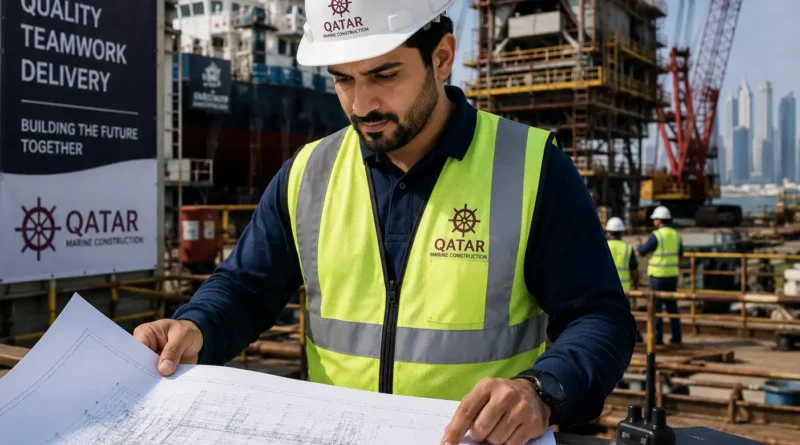
Marine Construction Manager Careers in Qatar: Skills Needed for Shipyard and Offshore Projects
Marine Construction Manager Careers in Qatar: Skills Needed for Shipyard and Offshore Projects
Construction management is an important career path in Qatar, especially in industries connected to marine engineering, ship repair, shipbuilding, offshore fabrication, industrial construction, and large technical projects. These projects require strong leadership, technical knowledge, planning ability, and careful coordination between different teams.
A Marine Construction Manager is responsible for guiding construction activities and making sure that work is completed safely, correctly, and according to project requirements. The role can be demanding because marine and offshore projects often involve complex structures, strict safety rules, tight schedules, and many technical disciplines working together.
For job seekers with experience in engineering, shipyards, offshore fabrication, or industrial construction, this career path can offer valuable opportunities in Qatar.
About Marine Construction Management in Qatar
Marine construction management focuses on supervising construction, repair, conversion, and fabrication activities related to ships, offshore structures, and marine facilities. This can include ship repair works, new vessel construction, offshore modules, jackets, topside structures, living quarters, and mechanical or structural works.
In Qatar, marine and offshore projects can be connected to energy, ports, logistics, shipyard operations, offshore services, and industrial development. These projects require managers who understand both technical execution and project control.
A Construction Manager in this field must know how to manage site teams, solve technical issues, follow safety procedures, and keep the project moving toward completion.
Why Construction Managers Are Needed in Qatar
Qatar has a strong demand for skilled professionals in construction, marine works, oil and gas support services, and industrial projects. Large projects need experienced managers who can coordinate teams and ensure that every stage is completed properly.
A Construction Manager helps answer important project questions such as:
Is the work progressing according to schedule?
Are construction teams following approved drawings and specifications?
Are safety procedures being followed?
Are mechanical and structural works properly coordinated?
Are quality requirements being met?
Are project risks being controlled?
Are resources being used effectively?
Without strong construction management, projects can face delays, rework, safety issues, cost increases, and client dissatisfaction.
Main Responsibilities
The responsibilities of a Marine Construction Manager depend on the project type and company. However, the role usually includes leadership, planning, coordination, technical supervision, and quality follow-up.
Common responsibilities include:
Managing construction activities on site or in the shipyard.
Coordinating with project managers, engineers, supervisors, and production teams.
Reviewing project schedules and construction milestones.
Making sure work follows approved drawings, specifications, and procedures.
Providing technical guidance to construction and production teams.
Monitoring mechanical, structural, and fabrication activities.
Supporting quality control and inspection requirements.
Identifying project risks and helping reduce delays.
Coordinating with subcontractors and vendors when required.
Supporting safety compliance across construction activities.
Solving site issues that may affect project progress.
Reporting progress to management and project stakeholders.
Ensuring that work is completed safely and within project requirements.
This role requires practical experience because many decisions must be made quickly and correctly during project execution.
Marine and Offshore Project Scope
Marine construction projects can involve different types of work. A Construction Manager may handle one large project or several work packages depending on the company structure.
Common project areas may include:
Ship repair works
Ship conversion projects
New vessel construction
Offshore fabrication
Living quarter modules
Jackets and topside structures
Structural steel fabrication
Mechanical installation
Piping and equipment works
Industrial maintenance projects
Marine platform support works
Each type of project has its own technical requirements. For example, ship repair may require fast coordination and detailed inspection, while offshore fabrication may require strict control of welding, lifting, safety, quality, and dimensional accuracy.
Technical Knowledge Required
A Marine Construction Manager should have a strong technical background. This does not mean they must do every technical task personally, but they must understand enough to guide teams and make correct decisions.
Important technical knowledge may include:
Mechanical construction
Structural fabrication
Marine engineering basics
Offshore construction methods
Ship repair procedures
Welding and fabrication awareness
Piping and equipment installation
Lifting and heavy construction activities
Construction drawings and specifications
Quality inspection requirements
Safety procedures
Project planning and sequencing
The manager should also understand how different activities affect each other. A delay in one area can affect the full project schedule.
Leadership and Team Management
Leadership is one of the most important skills for this role. Construction Managers work with many people, including supervisors, engineers, foremen, technicians, subcontractors, quality teams, safety teams, and project managers.
Good leadership includes:
Giving clear instructions.
Setting daily and weekly priorities.
Solving problems calmly.
Helping teams understand project goals.
Monitoring progress without creating confusion.
Supporting safety and quality culture.
Communicating with management clearly.
Making decisions under pressure.
A strong Construction Manager should be firm but fair. The goal is to keep the project moving while protecting safety and quality.
Safety in Marine Construction
Safety is critical in marine and offshore construction. These projects may involve heavy lifting, confined spaces, hot work, working at height, welding, cutting, electrical work, and movement of large structures.
A Construction Manager must make sure safety is not ignored because of schedule pressure. Safe work protects workers, equipment, and the company.
Important safety responsibilities may include:
Supporting toolbox talks and safety briefings.
Making sure work permits are followed.
Checking that teams use proper personal protective equipment.
Coordinating with HSE teams.
Stopping unsafe work when required.
Supporting risk assessments and method statements.
Making sure lifting and hot work activities follow procedures.
Encouraging workers to report unsafe conditions.
In marine projects, one unsafe activity can cause serious consequences. Safety awareness is a core part of the manager’s job.
Quality and Compliance
Construction Managers also support quality. They must make sure the work meets approved standards and client requirements.
Quality-related responsibilities may include:
Checking that teams follow approved drawings.
Supporting inspection requirements.
Coordinating with QA/QC teams.
Following up on non-conformance issues.
Making sure corrective actions are completed.
Reviewing work before client or consultant inspection.
Supporting documentation and handover requirements.
Ensuring that materials and workmanship meet project standards.
In shipyard and offshore projects, quality problems can lead to costly rework and schedule delays. Good management helps reduce these risks.
Project Planning and Milestones
A Construction Manager must understand schedules and milestones. The role requires monitoring whether work is progressing according to plan and identifying possible delays early.
Important planning tasks may include:
Reviewing daily and weekly work plans.
Coordinating manpower and equipment needs.
Checking material availability.
Following up on subcontractor progress.
Identifying activities that may affect deadlines.
Reporting progress accurately.
Helping adjust work plans when challenges appear.
Time management is very important because many marine and offshore projects operate under strict deadlines.
Risk Management
Construction projects can face many risks. A good manager does not wait for problems to become serious. They identify possible issues early and work with the team to reduce their impact.
Common risks may include:
Material delays
Manpower shortages
Equipment breakdowns
Design changes
Safety incidents
Weather conditions
Quality rework
Coordination problems
Subcontractor delays
Client approval delays
Risk management helps protect the schedule, budget, safety, and final project quality.
Skills Needed for the Role
A Marine Construction Manager needs a combination of technical, leadership, and communication skills.
Important skills include:
Construction planning
Team leadership
Technical problem-solving
Mechanical and structural knowledge
Understanding of marine or offshore projects
Safety awareness
Quality control awareness
Communication with stakeholders
Decision-making under pressure
Schedule monitoring
Risk management
Coordination with subcontractors
Report writing
Conflict resolution
The role can be stressful, so the ability to stay calm and organized is important.
Qualifications and Experience
Requirements differ depending on the employer and project type. However, marine construction management roles usually require an engineering or technical background and strong practical experience.
Common requirements may include:
Degree or diploma in Mechanical Engineering, Marine Engineering, Naval Architecture, Offshore Engineering, or a related field.
Several years of experience in construction, ship repair, shipbuilding, or offshore fabrication.
Experience leading site or production teams.
Knowledge of mechanical and structural construction activities.
Understanding of safety and quality requirements.
Ability to read drawings and technical documents.
Strong communication skills.
Experience in shipyards or offshore projects can be an advantage.
For senior roles, employers may prefer candidates who have handled large-scale projects, managed multiple teams, and worked with clients or classification bodies.
How to Prepare Your CV
Your CV should clearly show your construction management experience. Avoid writing only general statements. Employers need to see what type of projects you handled and what responsibilities you managed.
Include details such as:
Types of projects you worked on.
Ship repair or offshore fabrication experience.
Mechanical or structural work experience.
Team size you managed.
Construction activities you supervised.
Safety and quality responsibilities.
Planning and milestone tracking experience.
Client or subcontractor coordination.
Major achievements or completed projects.
Technical standards or project requirements you worked with.
If you worked in a shipyard, offshore facility, industrial plant, or marine construction environment, mention it clearly.
Interview Preparation
Construction Manager interviews often include technical, leadership, and project management questions. Employers want to know how you handle pressure, delays, safety, and team coordination.
Common interview questions may include:
What types of construction projects have you managed?
How do you handle project delays?
How do you manage safety on site?
How do you coordinate between production and project teams?
How do you deal with subcontractor performance issues?
How do you manage quality problems?
What marine or offshore projects have you worked on?
How do you track construction progress?
How do you make decisions under pressure?
Try to answer with real examples from your experience. Practical examples are stronger than general answers.
Career Growth
Marine construction management can lead to strong career growth. With experience, a Construction Manager may move into senior project roles, operations management, project management, or construction leadership positions.
Possible career paths include:
Construction Supervisor
Construction Engineer
Assistant Construction Manager
Construction Manager
Senior Construction Manager
Project Manager
Shipyard Operations Manager
Offshore Construction Lead
Production Manager
Project Director
Career growth depends on technical knowledge, leadership, safety performance, communication, and successful project delivery.
Working in Qatar
Qatar can offer opportunities for professionals in construction, marine engineering, offshore fabrication, oil and gas support, and industrial projects. For experienced managers, the country can provide exposure to complex and high-value projects.
Before accepting a job offer, applicants should check the full employment details carefully. This includes salary, accommodation, transportation, working hours, project location, contract duration, visa process, and benefits.
Important Advice for Job Seekers
Be careful when applying for jobs online. Some fake recruiters may use attractive project titles or company names to collect personal documents or money. Always verify the employer and job source before sending information.
Before accepting any offer, check:
Company name
Official website if available
Job title
Work location
Salary and benefits
Accommodation and transportation if offered
Working hours or rotation
Contract duration
Visa process
Official email address
Recruitment process
Do not pay money to unknown people for a guaranteed job. A professional employer should provide clear communication and proper hiring steps.
Final Advice
Marine Construction Manager careers in Qatar can be a strong opportunity for professionals with experience in construction, shipyards, offshore fabrication, and industrial project execution. The role requires leadership, technical knowledge, safety awareness, quality control, and the ability to manage teams under pressure.
For applicants, preparation is important. Build a clear CV, highlight real project experience, explain your leadership responsibilities, and apply through trusted sources.
Afwaj Jobs aims to help job seekers understand opportunities in the Gulf job market and prepare stronger applications for suitable careers.