
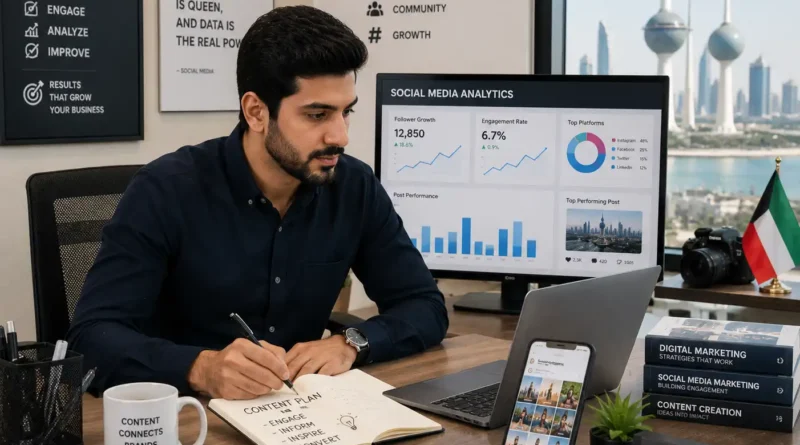
Social Media Specialist Careers in Kuwait: Skills Needed for Digital Marketing Jobs
Social Media Specialist Careers in Kuwait: Skills Needed for Digital Marketing Jobs
Social media has become an important part of modern business in Kuwait. Many companies now depend on platforms such as Instagram, Facebook, TikTok, LinkedIn, X, and Snapchat to reach customers, build brand awareness, promote services, and communicate with their audience. Because of this, Social Media Specialist roles are becoming more valuable in the marketing and business world.
A Social Media Specialist is responsible for planning, creating, publishing, and monitoring content across social platforms. The role combines creativity, writing, visual planning, analytics, customer engagement, and digital marketing knowledge.
For job seekers in Kuwait, this career path can be suitable for people who enjoy content creation, online communication, marketing trends, and data analysis. It can also be a good opportunity for candidates who want to grow in digital marketing, content strategy, brand management, or social media advertising.
About Social Media Specialist Jobs
A Social Media Specialist helps a company manage its online presence. The job is not only about posting pictures or writing short captions. It includes understanding the brand, planning content, following trends, measuring results, and improving engagement.
Companies need social media specialists because customers spend a lot of time online. A strong social media presence can help a business attract new customers, keep existing customers informed, and build trust.
In Kuwait, social media jobs can be found in marketing agencies, retail companies, restaurants, clinics, beauty brands, real estate companies, e-commerce businesses, training centers, automotive companies, and many other sectors.
Why Social Media Specialists Are Needed in Kuwait
Kuwait has an active digital audience. Many businesses compete for attention online, which means they need creative and organized people who understand how to make content stand out.
A Social Media Specialist can help a business by:
Increasing brand visibility.
Creating useful and attractive content.
Managing daily posts and stories.
Responding to comments and messages.
Supporting marketing campaigns.
Improving engagement rates.
Tracking content performance.
Helping convert followers into customers.
Without proper social media management, a business may post randomly and fail to reach the right audience. A specialist brings planning, consistency, and strategy.
Main Responsibilities
The daily tasks of a Social Media Specialist can vary depending on the company. In a small company, the specialist may handle everything from content ideas to posting and reporting. In a larger marketing team, the role may focus on strategy, content coordination, or campaign performance.
Common responsibilities include:
Creating social media content plans.
Writing captions for posts, stories, reels, and campaigns.
Scheduling posts across different platforms.
Coordinating with designers, photographers, and video editors.
Monitoring comments, messages, and audience engagement.
Following social media trends and competitor activity.
Preparing monthly performance reports.
Tracking reach, engagement, clicks, and conversions.
Supporting paid advertising campaigns when required.
Suggesting new content ideas.
Maintaining brand tone and visual consistency.
Working with marketing, sales, and customer service teams.
A good Social Media Specialist should be both creative and organized. Creative ideas are important, but consistency and follow-up are just as important.
Content Creation Skills
Content creation is one of the most important parts of the job. The specialist should understand what type of content works for each platform.
For example, Instagram may need strong visuals, reels, and stories. LinkedIn may need professional posts and company updates. TikTok may need short, creative, and trend-based videos. Facebook may work well for community updates and local campaigns.
Useful content types include:
Product posts
Educational posts
Promotional campaigns
Behind-the-scenes content
Customer testimonials
Short videos
Stories and reels
Polls and questions
Event coverage
Brand awareness posts
A strong content creator understands the audience and creates posts that are clear, useful, and visually attractive.
Writing Captions and Brand Voice
Writing is a key part of social media work. A caption should not be too confusing or too generic. It should match the brand’s voice and encourage the audience to interact.
Good captions may include:
Clear product or service information.
Simple language.
A direct message.
A call to action when needed.
Emojis only when suitable.
Hashtags used carefully.
Professional tone.
The tone depends on the brand. A restaurant may use a friendly and casual voice. A medical clinic may need a more professional and trustworthy tone. A real estate company may need clear, confident, and informative content.
Understanding Social Media Platforms
Each platform has a different audience and style. A Social Media Specialist should understand how to adjust content for each one.
Common platforms include:
Useful for visuals, reels, stories, lifestyle content, products, and brand awareness.
TikTok
Useful for short videos, trends, quick tips, creative storytelling, and reaching younger audiences.
Useful for community updates, business pages, ads, events, and customer communication.
Useful for professional content, company updates, recruitment, business services, and B2B marketing.
X
Useful for short updates, announcements, discussions, and fast-moving topics.
Snapchat
Useful for local campaigns, short visual updates, and younger audiences in some markets.
A specialist should not post the same content everywhere without adjustment. Good social media work means adapting the message to the platform.
Analytics and Performance Tracking
Social media is not only creativity. It also requires measuring performance. A specialist should know which posts are working and which posts need improvement.
Important metrics may include:
Reach
Impressions
Engagement rate
Likes
Comments
Shares
Saves
Profile visits
Link clicks
Follower growth
Video views
Conversion results
Analytics help answer questions such as:
What type of content gets more engagement?
What time does the audience respond better?
Which platform brings more traffic?
Which campaign performed best?
What should be changed next month?
A good specialist uses data to improve future content instead of posting without direction.
Tools Used by Social Media Specialists
Social media specialists often use tools to manage content, design posts, schedule publishing, and analyze results.
Useful tools may include:
Canva
Adobe Photoshop
Adobe Illustrator
Adobe Premiere Pro
CapCut
Meta Business Suite
Google Analytics
Hootsuite
Buffer
Later
Metricool
Excel or Google Sheets
Content calendar tools
Not every job requires all tools, but knowing some of them can make an applicant stronger.
Skills Needed for the Role
A Social Media Specialist needs a mix of creativity, communication, and digital skills.
Important skills include:
Content planning
Caption writing
Basic design understanding
Video content awareness
Social media platform knowledge
Analytics and reporting
Community management
Trend research
Time management
Communication skills
Teamwork
Creativity
Attention to detail
Basic SEO and digital marketing knowledge
The role can be busy because social media changes quickly. A good specialist should be willing to learn and adapt.
Community Management
Community management means interacting with the audience. This may include replying to comments, answering messages, handling complaints, and encouraging positive engagement.
A specialist should be polite and professional when responding online. Public comments can affect the brand image, so replies should be handled carefully.
Good community management includes:
Responding on time.
Using a respectful tone.
Escalating serious issues to the correct team.
Avoiding arguments.
Giving clear information.
Protecting customer privacy.
Keeping the brand image positive.
This part of the job requires patience and good judgment.
Paid Social Media Campaigns
Some Social Media Specialist roles may include support for paid advertising. This can involve boosting posts, creating ad content, choosing target audiences, tracking campaign results, and reporting performance.
Paid campaigns may be used for:
Product promotions
Lead generation
Website traffic
Brand awareness
Event promotion
Sales campaigns
App downloads
A specialist does not always need to be a full advertising expert, but basic knowledge of paid social media can be an advantage.
Qualifications and Experience
Requirements differ from one employer to another. Some companies may accept fresh graduates with strong creativity and a good portfolio. Others may prefer candidates with previous social media or digital marketing experience.
Common requirements may include:
Degree or diploma in marketing, media, communication, business, or a related field.
Experience in social media management or digital marketing.
Strong writing skills.
Knowledge of social platforms.
Basic design or video editing skills.
Ability to prepare reports.
Good English communication skills.
Arabic language skills can be an advantage in Kuwait.
Experience with marketing tools.
A portfolio can be very helpful. Employers often want to see examples of posts, campaigns, captions, designs, or accounts the candidate managed.
How to Prepare Your CV
Your CV should show your social media experience clearly. Avoid writing only general statements like “I know social media.” Employers need to see what you can actually do.
Include details such as:
Platforms you managed.
Types of content you created.
Campaigns you supported.
Tools you used.
Engagement improvements if available.
Reporting experience.
Writing and design skills.
Video content experience.
Paid campaign support if available.
Industries you worked with.
If you managed Instagram pages, created reels, wrote captions, prepared content calendars, or reported monthly results, mention these clearly.
Portfolio Tips
A portfolio can make your application stronger. It does not need to be complicated. It can be a PDF or online link that shows selected examples of your work.
Your portfolio may include:
Social media post samples.
Caption examples.
Content calendar sample.
Campaign examples.
Before and after account improvement if available.
Reels or short video examples.
Simple analytics screenshots if allowed.
Brand tone examples.
Do not include private client information without permission. Keep the portfolio clean, organized, and easy to review.
Interview Preparation
Social media interviews often focus on creativity, platform knowledge, and campaign thinking.
Common interview questions may include:
Which social media platforms do you know best?
How do you plan a monthly content calendar?
How do you measure social media success?
What tools do you use for design or scheduling?
How do you handle negative comments?
How do you follow trends?
Can you write captions in English and Arabic?
How do you improve engagement?
What type of content performs best on Instagram or TikTok?
Try to answer with practical examples. If you worked on a campaign, explain the goal, what you did, and what result you achieved.
Career Growth
Social media can lead to many career paths in digital marketing. With experience, a Social Media Specialist may move into content strategy, performance marketing, brand management, influencer marketing, or marketing management.
Possible career paths include:
Social Media Specialist
Senior Social Media Specialist
Content Strategist
Digital Marketing Executive
Community Manager
Social Media Manager
Brand Executive
Influencer Marketing Coordinator
Digital Marketing Manager
Growth depends on creativity, results, communication, and the ability to understand both content and business goals.
Important Advice for Job Seekers
Be careful when applying for jobs online. Some job ads may use company names or marketing job titles without clear details. Always verify the company and job source before sending personal information.
Before accepting any offer, check:
Company name
Official website if available
Job title
Work location
Salary and benefits
Working hours
Contract terms
Visa process if applicable
Official email address
Job responsibilities
Do not pay money to unknown people for a guaranteed job. A real employer should provide clear communication and proper hiring steps.
Final Advice
Social Media Specialist careers in Kuwait can be a strong opportunity for creative job seekers who understand content, platforms, analytics, and audience engagement. The role requires more than posting online. It requires planning, writing, design awareness, performance tracking, and professional communication.
For applicants, preparation is important. Build a clear CV, prepare a simple portfolio, improve your content skills, learn analytics, and apply through trusted job sources.