
Architect Careers in Dubai: BIM, Revit, and Design Skills Needed for UAE Projects
Architect Careers in Dubai: BIM, Revit, and Design Skills Needed for UAE Projects
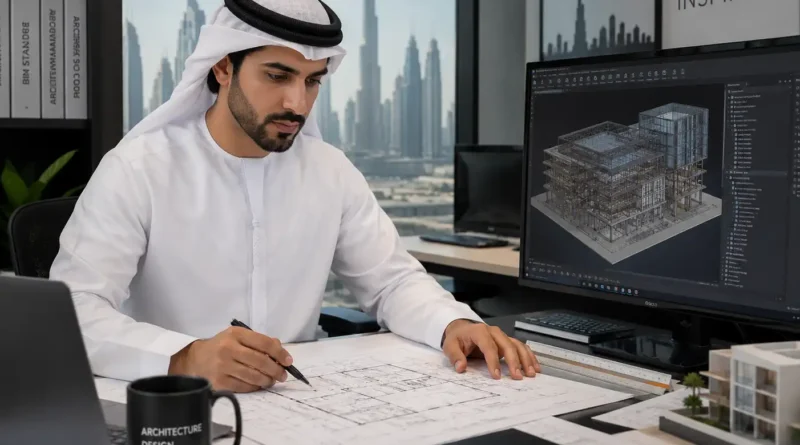
Architecture is one of the important career fields in Dubai and the wider UAE construction market. The city is known for modern buildings, high-rise towers, hotels, residential communities, commercial spaces, transport projects, and mixed-use developments. Because of this active environment, architectural professionals with strong design, coordination, BIM, and Revit skills can find valuable career opportunities.
For job seekers, architect roles in Dubai are not only about creating attractive designs. The work also includes technical coordination, authority requirements, project documentation, client communication, and cooperation with engineers, consultants, and construction teams.
Companies such as Egis and other international engineering and consulting firms often work on complex projects where architecture, infrastructure, sustainability, and digital design tools are closely connected. Applicants should always check official company career pages before applying for any role.
About Architecture Careers in Dubai
Working as an architect in Dubai can be both exciting and demanding. Projects are often fast-moving, design expectations can be high, and coordination between different disciplines is very important.
An architect may be involved in different project stages, from early concept design to detailed design and construction documentation. In some roles, the architect may also support authority submissions, technical reviews, design presentations, and site coordination.
Dubai’s construction market often requires architects who can balance creativity with practical execution. A design should not only look good. It also needs to follow local regulations, meet client needs, support safety requirements, and work properly with structural, mechanical, electrical, and other building systems.
Why BIM and Revit Matter
BIM, or Building Information Modeling, has become a major part of modern architecture and construction. It helps project teams create a digital model that includes design information, coordination details, and technical data.
Revit is one of the common tools used in BIM workflows. For architects in Dubai, strong Revit knowledge can be a major advantage because many consultants and developers depend on digital models to reduce errors and improve coordination.
BIM helps teams:
Coordinate architecture with engineering systems.
Detect clashes before construction.
Improve drawing accuracy.
Share updated information between teams.
Support faster design reviews.
Organize project data clearly.
Reduce mistakes during construction.
For senior architect roles, BIM is not only a software skill. It is also a way of managing information and coordinating design decisions.
Main Responsibilities
The responsibilities of an architect in Dubai depend on the company, project type, and seniority level. However, many roles include design, technical coordination, documentation, and communication with project teams.
Common responsibilities may include:
Preparing architectural drawings and design packages.
Supporting concept, schematic, and detailed design stages.
Coordinating with structural, mechanical, electrical, and civil teams.
Reviewing design requirements and project standards.
Preparing documentation for authority submissions.
Checking drawings for accuracy and consistency.
Working with BIM models and Revit files.
Supporting design presentations and feasibility studies.
Coordinating with clients, consultants, and internal teams.
Solving design issues during project development.
Reviewing materials, layouts, and technical details.
Supporting site teams when design clarification is needed.
A successful architect should understand that design work is connected to many other project activities. Good coordination can prevent delays, mistakes, and expensive changes later.
Skills Needed for Architect Roles
Architectural jobs in Dubai usually require a mix of design ability, technical knowledge, and communication skills. Employers often look for candidates who can work in a team and handle project pressure professionally.
Important skills include:
Architectural design thinking
Revit and BIM knowledge
Technical drawing preparation
Understanding of building regulations
Knowledge of materials and construction methods
Coordination with engineering disciplines
Problem-solving
Presentation skills
Time management
Attention to detail
Communication with clients and consultants
Ability to work under deadlines
For senior roles, leadership becomes more important. The architect may need to guide junior team members, review drawings, support decisions, and communicate with stakeholders.
Design and Technical Coordination
In Dubai projects, architects rarely work alone. They coordinate with many professionals, including project managers, engineers, quantity surveyors, BIM coordinators, interior designers, landscape teams, and authority consultants.
Good coordination helps make sure that the architectural design works with:
Structural systems
HVAC requirements
Electrical layouts
Fire and life safety requirements
Accessibility rules
Facade systems
Interior layouts
Parking and circulation
Authority submission requirements
If coordination is weak, problems can appear later during construction. A door may conflict with a service route, a ceiling design may not allow enough space for systems, or a facade detail may require adjustment. Architects help find solutions before these issues become serious.
Authority Submissions and Compliance
One important part of architecture work in Dubai is compliance. Projects must follow local authority requirements and building regulations. Architects may help prepare drawings and documents for submission and approval.
This can include checking that the design follows rules related to safety, accessibility, fire protection, parking, building height, space planning, and other project requirements.
An architect does not need to memorize every regulation, but they should know how to work with standards, review requirements, and coordinate with specialists when needed.
BIM Execution and Model Quality
In BIM-based projects, architects may need to follow a BIM Execution Plan. This document explains how the BIM model should be created, managed, shared, and reviewed.
Architects may be involved in:
Modeling architectural elements.
Following project naming standards.
Checking model quality.
Coordinating with other disciplines.
Responding to clash reports.
Updating drawings from the model.
Supporting data drops or model submissions.
Keeping the model organized.
Poor model management can create confusion. Good BIM practice helps the team work faster and with fewer mistakes.
Qualifications and Experience
Most architect roles in Dubai require a Bachelor’s degree in Architecture or a related field. For more senior positions, employers may prefer candidates with several years of experience in architecture, consulting, or construction projects.
Common requirements may include:
Bachelor’s degree in Architecture.
Experience in design consultancy or construction-related projects.
Strong knowledge of Revit and BIM workflows.
Ability to prepare architectural drawings.
Understanding of project stages from concept to detailed design.
Knowledge of UAE or local authority requirements is an advantage.
Good English communication skills.
Ability to work with multi-disciplinary teams.
Portfolio showing previous architectural work.
For senior architect roles, employers may prefer candidates who have worked on large buildings, mixed-use developments, hotels, residential projects, infrastructure-related buildings, or international consultancy projects.
How to Prepare Your Portfolio
A portfolio is very important for architecture jobs. It should show your design thinking, technical ability, and project experience. Avoid making the portfolio too long or confusing.
A good portfolio may include:
Selected projects only.
Clear images and drawings.
Short explanation of your role.
Project type and location if allowed.
Software used, such as Revit or BIM tools.
Plans, sections, elevations, or 3D views.
Examples of coordination or technical work.
Do not include confidential project information without permission. Keep the layout professional and easy to understand.
How to Prepare Your CV
Your CV should be focused and clear. Employers should quickly understand your experience, software skills, and project background.
Include details such as:
Your architecture degree.
Years of experience.
Project types you worked on.
Revit and BIM experience.
Design stages you handled.
Authority submission experience if available.
Coordination with engineers and consultants.
Leadership or team support experience.
Software skills.
Languages.
Avoid general phrases only. Instead of writing “worked on many projects,” mention the type of projects and your actual responsibilities.
Interview Preparation
Architecture interviews in Dubai may include questions about design, BIM, project coordination, and previous experience. Be ready to explain your role in past projects clearly.
Common interview topics may include:
What project stages have you worked on?
How strong is your Revit experience?
Have you worked in a BIM environment?
How do you coordinate with MEP and structural teams?
How do you handle design changes?
Have you prepared authority submission drawings?
How do you manage deadlines?
What type of projects are in your portfolio?
Try to answer with practical examples from your experience. Employers want to know what you actually did, not only what you studied.
Career Growth
Architecture careers in Dubai can lead to many paths. With experience, an architect may grow into senior architect, project architect, design manager, BIM coordinator, BIM manager, technical manager, or design director roles.
Career growth depends on a combination of design ability, technical accuracy, communication, project experience, and leadership. Architects who understand BIM and coordination can often become more valuable in large projects.
Important Advice for Job Seekers
Be careful when applying for jobs online. Some fake recruiters may use real company names to attract applicants. Always verify job offers through official company websites or trusted platforms.
Before accepting an offer, check:
Company name
Official website
Job title
Work location
Salary and benefits
Contract terms
Visa process if applicable
Working hours
Official email address
Do not pay money to unknown people who promise guaranteed employment. A real employer should provide clear communication and proper hiring steps.
Final Advice
Architect careers in Dubai can be a strong opportunity for professionals who have design talent, technical knowledge, BIM experience, and the ability to work with different project teams. The market can be competitive, but a clear CV, strong portfolio, and practical Revit skills can improve your chances.
For applicants interested in companies such as Egis or similar international consultancies, preparation is important. Focus on real project experience, BIM coordination, design quality, and professional communication.
Afwaj Jobs aims to help job seekers understand opportunities in the Gulf job market and prepare stronger applications for suitable careers.